
Coffee as
Civilization
From Ethiopian ceremony to Italian espresso bar to Scandinavian fika — coffee has shaped how humans gather, think, and connect.
Four Cultures,
One Ritual
3 rounds
Per Ceremony
The Buna Ceremony
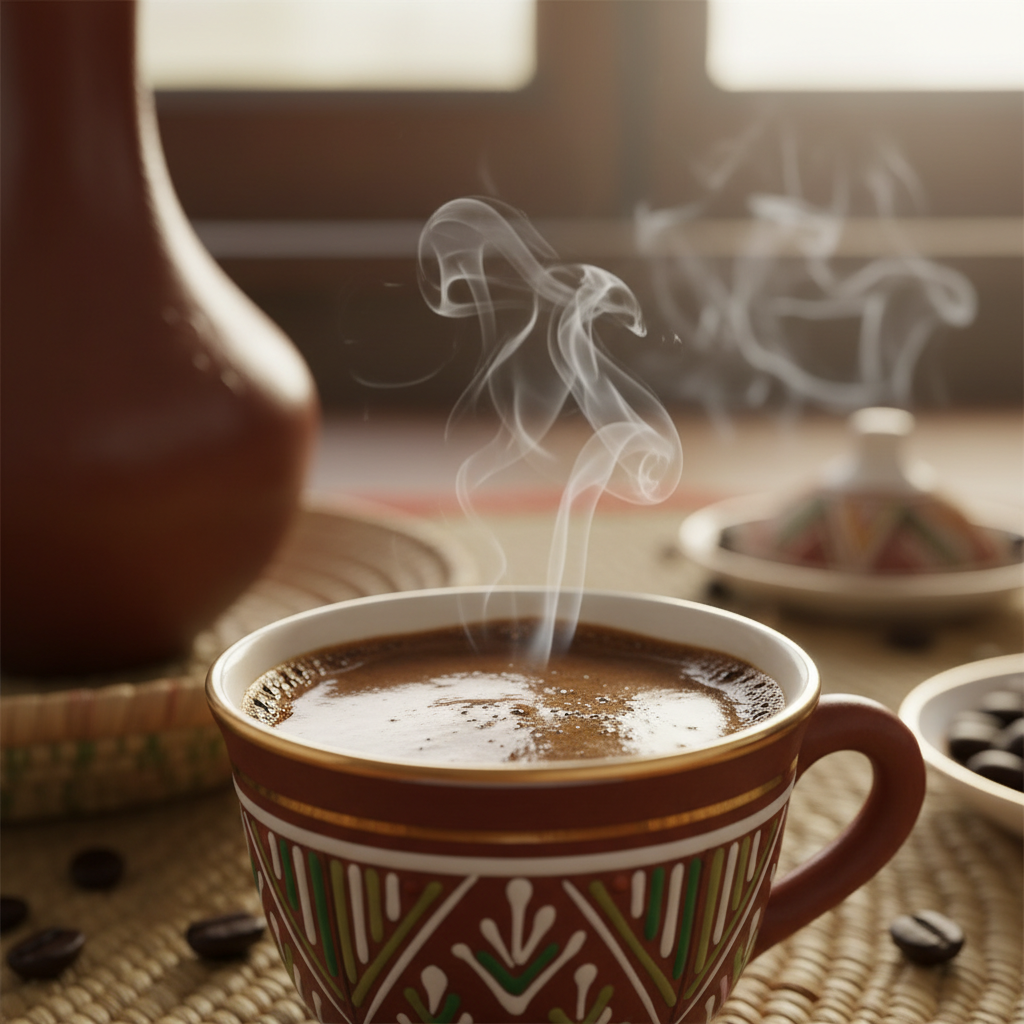
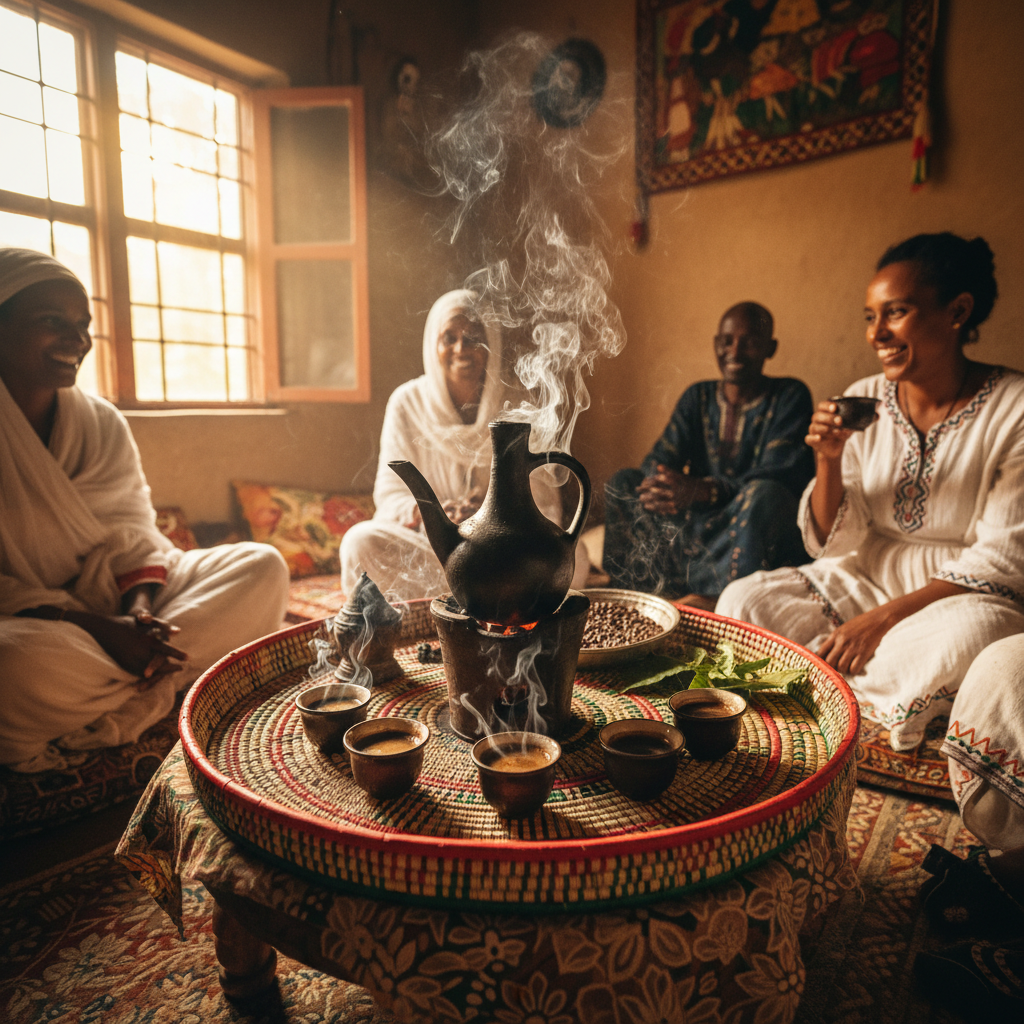
The Ethiopian coffee ceremony — called Buna — is one of the most elaborate rituals in the world. Fresh beans are roasted over charcoal, ground by hand, and brewed three times in a clay pot called a jebena. Each round has a name: Abol (first), Tona (second), Baraka (third, meaning blessing). The ceremony takes hours and represents hospitality, respect, and community.
3 sips
The Italian Way
Espresso at the Bar
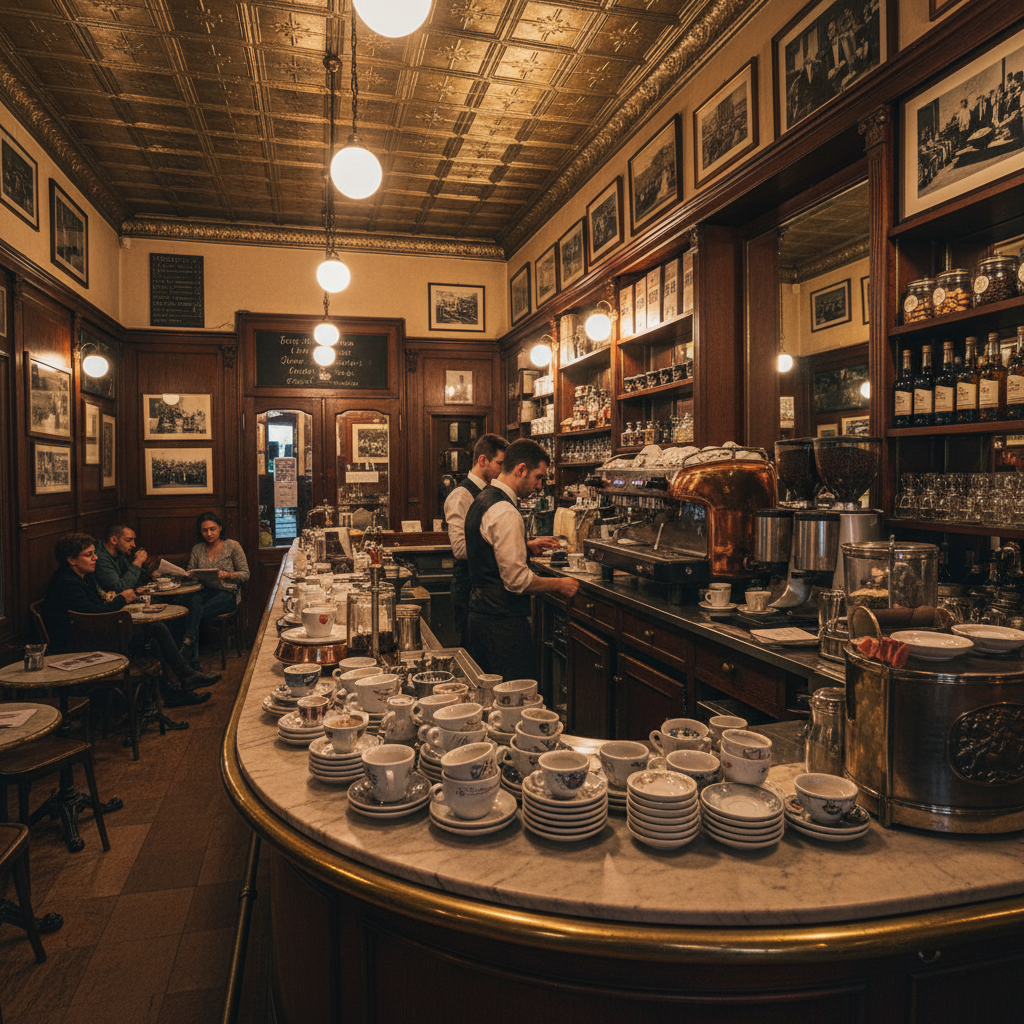
In Italy, coffee is not a beverage — it is a ritual. Italians stand at the bar, drink their espresso in three sips, and leave. There is no large cup, no to-go lid. A caffè is 25ml, costs under €1.50, and is consumed in under a minute. The Italian government has even considered adding espresso culture to UNESCO heritage lists.

#1 & #2
Global Consumption
The Fika Break
Sweden gave the world "fika" — a mandatory social pause for coffee and something sweet. It is not optional. Swedish workplaces schedule fika breaks twice a day. Finland and Norway hold the top two spots for per-capita coffee consumption globally. In Scandinavia, coffee is the social glue that holds community together.
5M+
Coffee Vending Machines
Precision Pour-Over
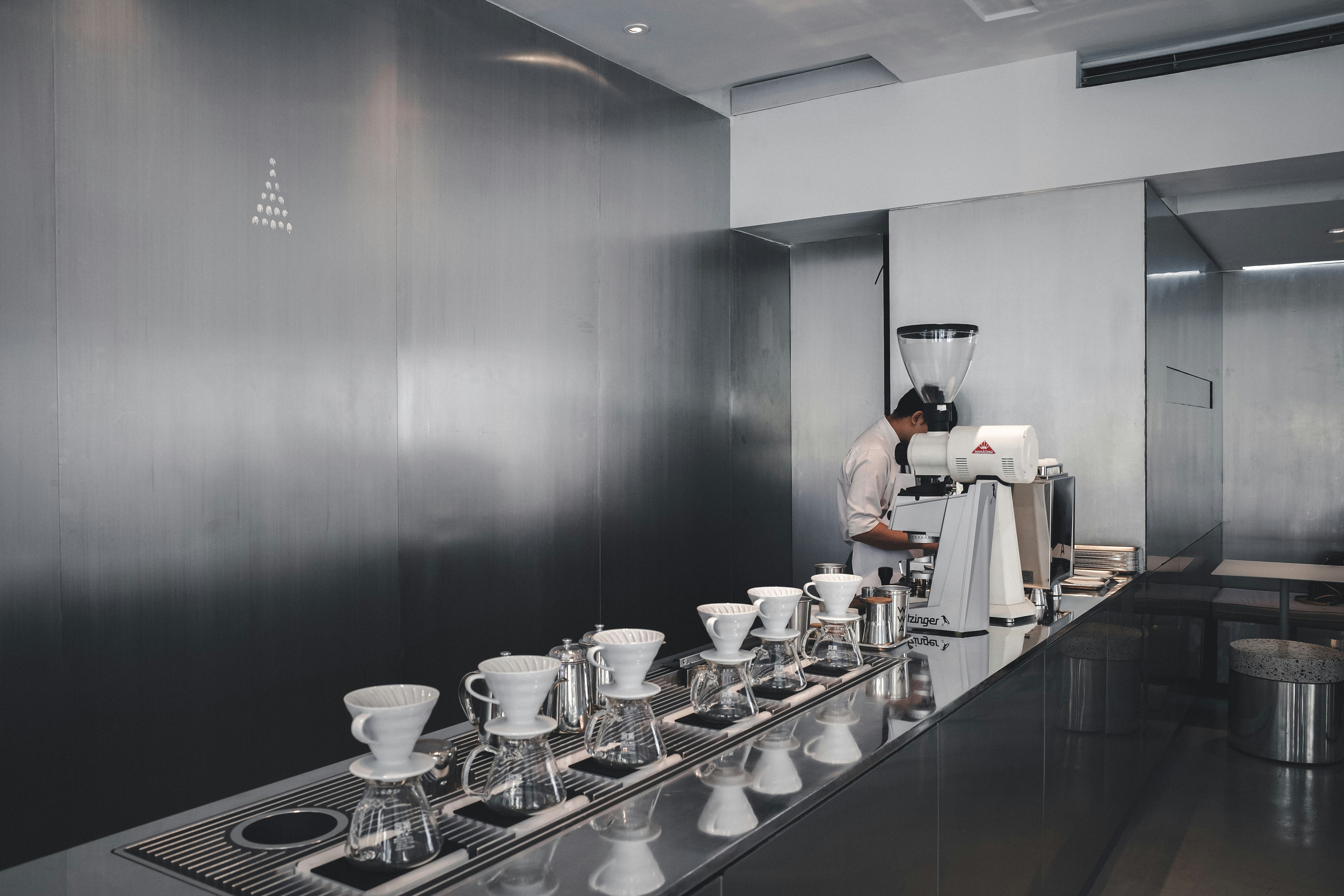
Japanese coffee culture is defined by obsessive precision. Third-wave kissaten (coffee shops) weigh every gram, measure every second of brew time, and maintain water temperature to the degree. Canned coffee from vending machines is also a beloved institution — Japan has over 5 million vending machines, many selling premium hot or cold coffee.
The Specialty
Difference
Specialty coffee is not a marketing term — it is a measurable standard. The Specialty Coffee Association defines specialty coffee as scoring 80 or above on a 100-point scale, evaluated by certified Q graders across attributes including aroma, flavor, aftertaste, acidity, body, and balance.
The Third Wave movement treats coffee as an artisanal product — like wine or single-malt whisky. It demands transparency: the farm, the farmer, the altitude, the processing method, and the roast date are all disclosed. It pays growers fairly. And it celebrates the extraordinary diversity of flavor that a single species of plant can produce.
Explore Bean Types →
80+
Score
Scored by Q graders on a 100-point scale
100%
Traceability
Farm, region, and harvest date known
0
Defects
Zero primary defects per 350g sample
3–5×
Growers Paid
Premium prices vs commodity coffee