
Two Species,
Two Worlds
Understand the fundamental difference between the world's two major coffee species — and why it matters in your cup.
The Two
Great Species
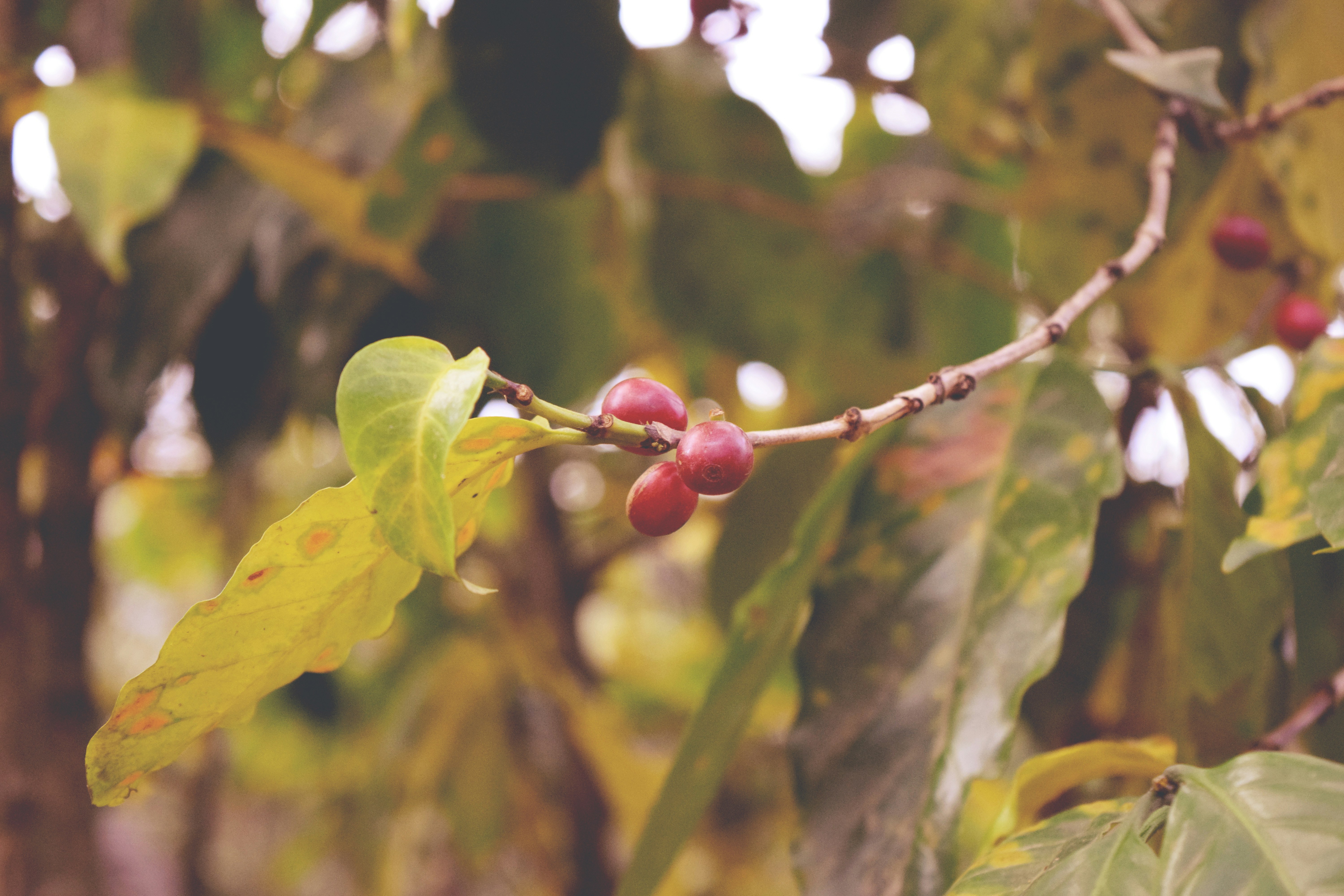
Coffea Arabica
Arabica
The gold standard of specialty coffee. Arabica beans grow slowly at high altitudes, developing complex sugars and aromatic compounds that produce the nuanced, layered flavors prized by connoisseurs.
Origin
Ethiopia & Yemen
Altitude
1,800 – 3,600m
Caffeine
1.2 – 1.5%
Flavor
Complex, aromatic, sweet, nuanced acidity
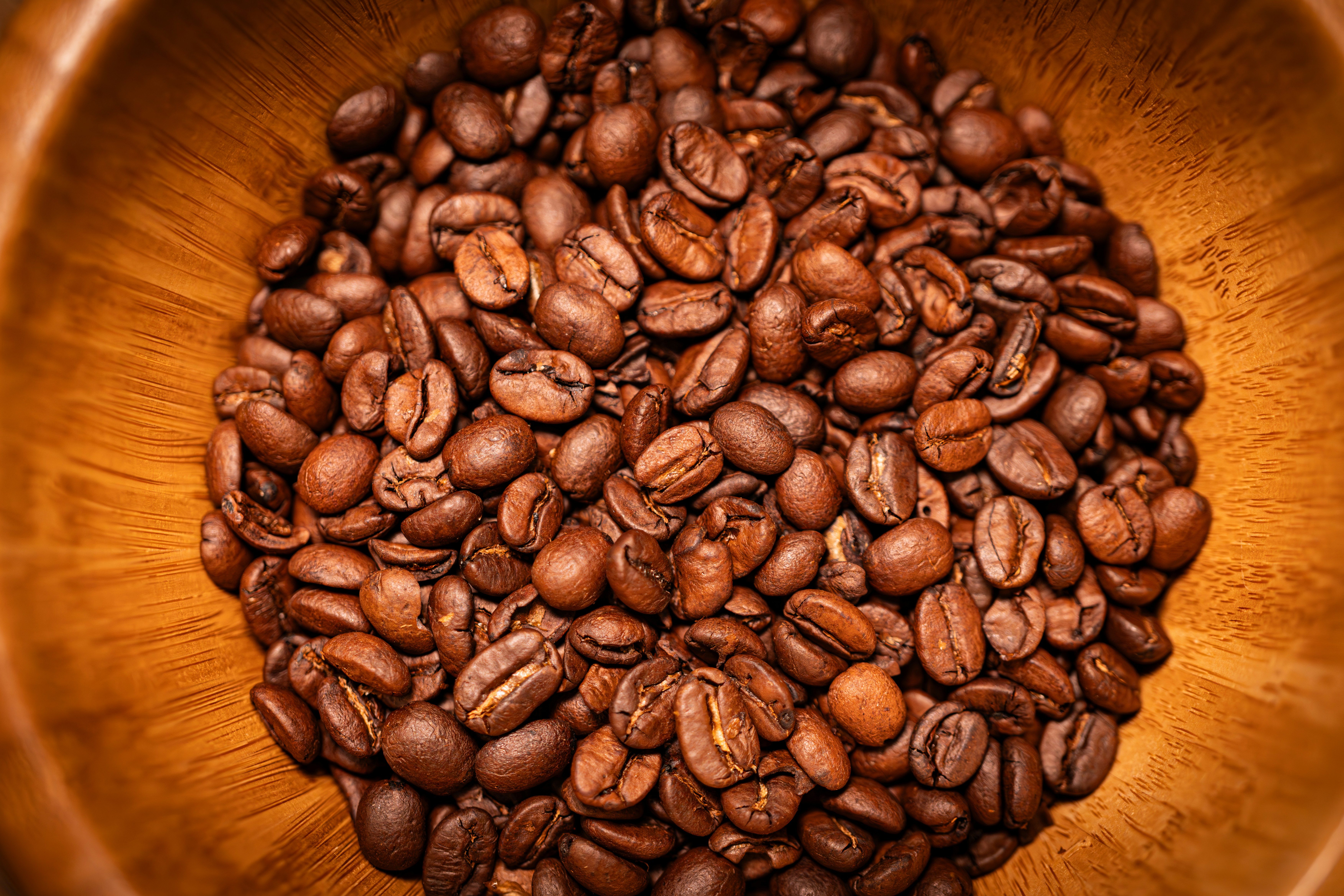
Coffea Canephora
Robusta
The backbone of espresso blends and instant coffee. Robusta is hardier, higher-yielding, and contains nearly double the caffeine of Arabica — giving it that intense, powerful punch.
Origin
Central & West Africa
Altitude
Sea level – 800m
Caffeine
2.2 – 2.7%
Flavor
Bold, earthy, bitter, full-bodied
Cherry to Bean:
The Journey
The Cherry
Coffee grows as a fruit called a cherry — ripening from green to vivid red or yellow over 9 months.
Harvesting
Cherries are handpicked at peak ripeness — selective picking ensures only the finest fruit.
Processing
The fruit pulp is removed via washed, natural, or honey processing — each method profoundly shapes flavor.
Drying
Beans are dried on raised beds in sunlight for 2–6 weeks, developing sweetness and body.
Milling
The dried parchment layer is removed to reveal the green coffee bean inside.
The Green Bean
The unroasted green bean — dense, grassy, and full of potential — is graded, sorted, and exported.
The Coffee
Belt
Coffee grows only within the "Bean Belt" — a band stretching 25 degrees north and south of the equator. This zone of tropical warmth, rainfall, and altitude creates the ideal conditions for the Coffea plant to thrive.
Today, over 70 countries cultivate coffee across the Americas, Africa, the Middle East, and Southeast Asia. Each region imparts its own unique terroir — a fingerprint of altitude, soil, and microclimate — into every bean.
Nutty, chocolatey, low acidity
Bold, earthy, mostly Robusta
Bright, fruity, balanced
Earthy, full-bodied, herbal
Floral, wine-like, complex