
Where Coffee
Finds Its Voice
Altitude, soil, rainfall, and temperature — four invisible hands that sculpt the flavor in every cup.
The Four Pillars
of Terroir
Altitude
Higher altitude = slower cherry ripening = more complex sugars. Specialty coffee typically grows above 1,500m.
1,500 – 3,600m
Ideal Range
Soil
Volcanic soil rich in minerals — like that of Ethiopia and Guatemala — imparts unique mineral and fruity notes.
pH 6–6.5
Ideal Soil Acidity
Rainfall
Coffee needs 1,500–3,000mm of rainfall annually, with a dry season to trigger flowering.
1,500–3,000mm
Annual Rainfall
Temperature
The ideal range is 18–24°C. Too hot and cherries ripen too fast; too cold and the plant struggles.
18 – 24°C
Ideal Temperature
Five Regions,
Five Flavors
The Motherland
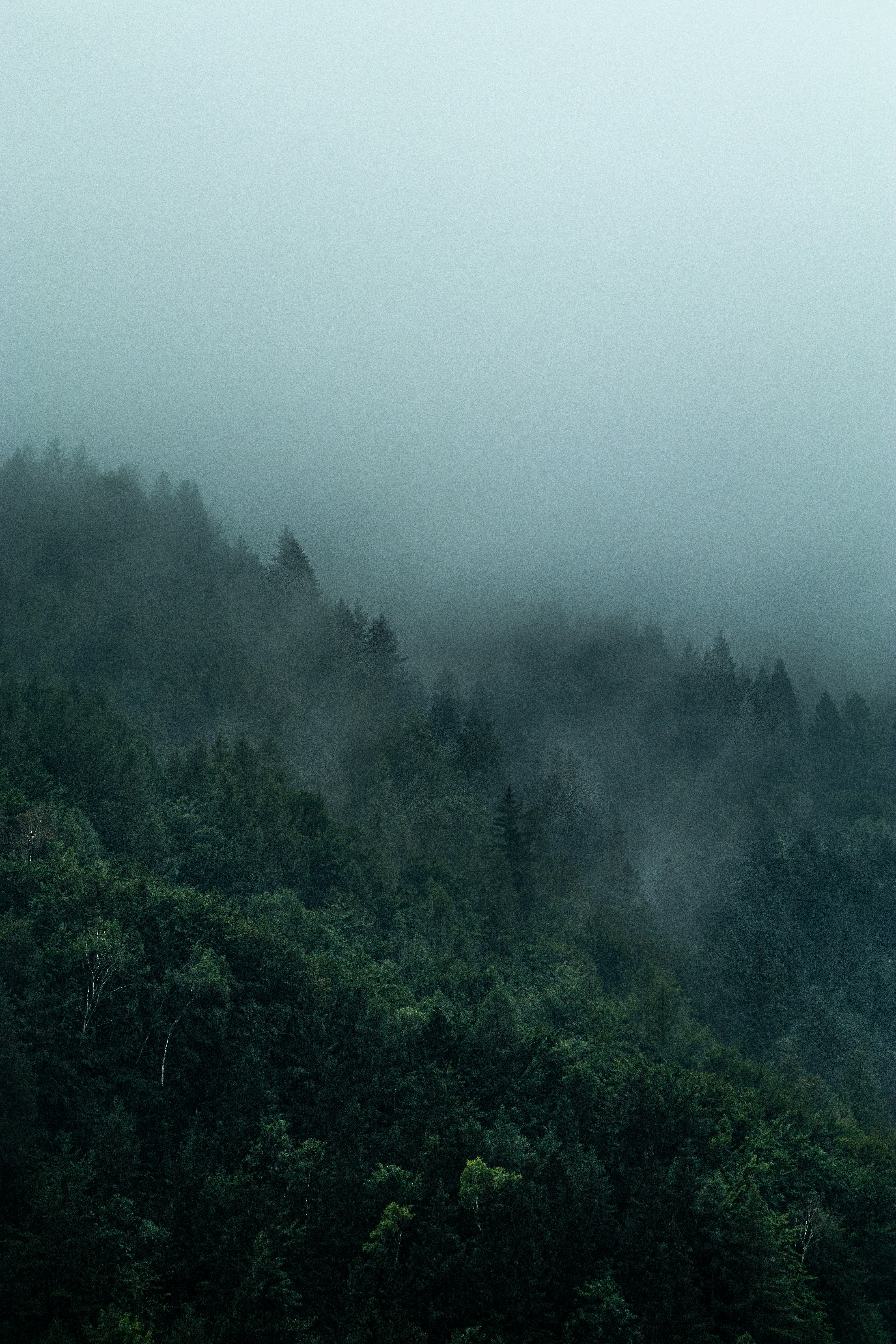
Ethiopia
1,500 – 2,200m · Jasmine, blueberry, wine, bergamot
The Classic
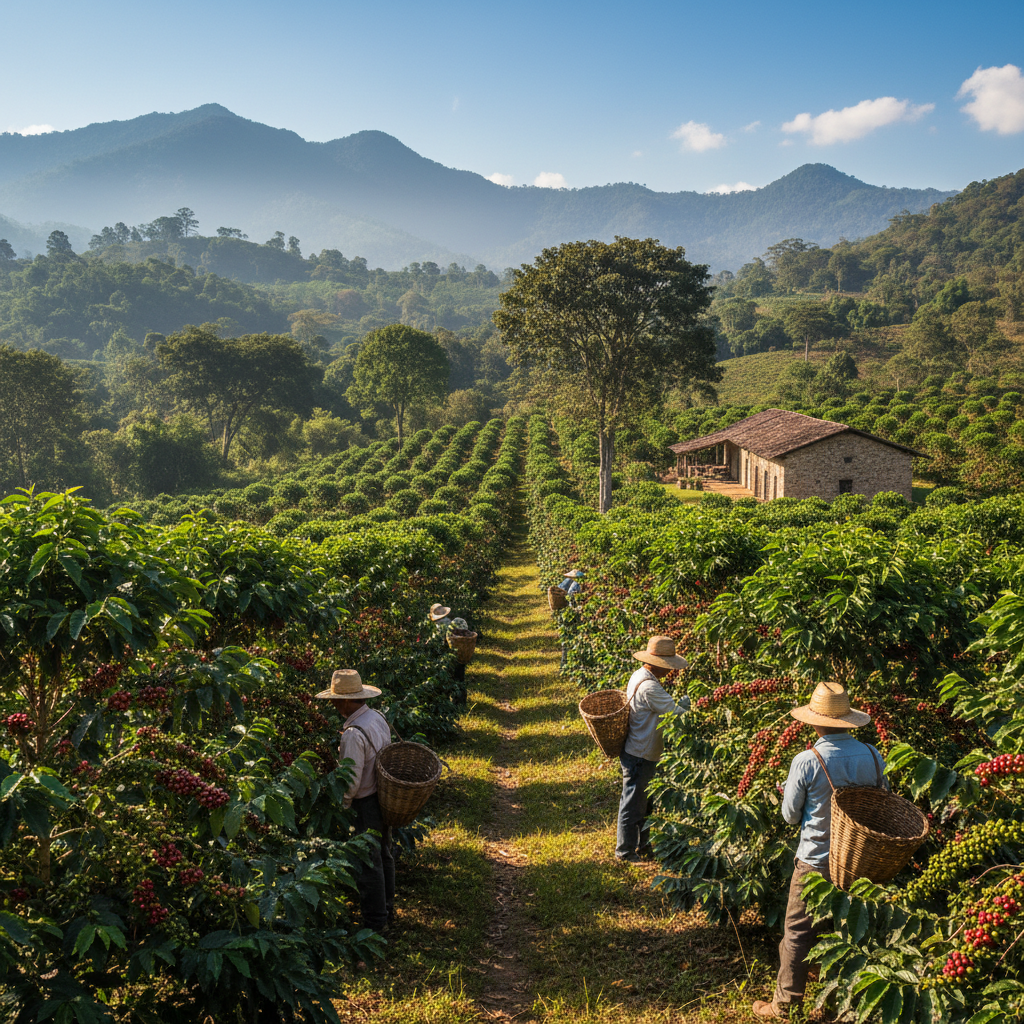
Colombia
1,200 – 1,800m · Caramel, red fruit, balanced acidity
The Powerhouse
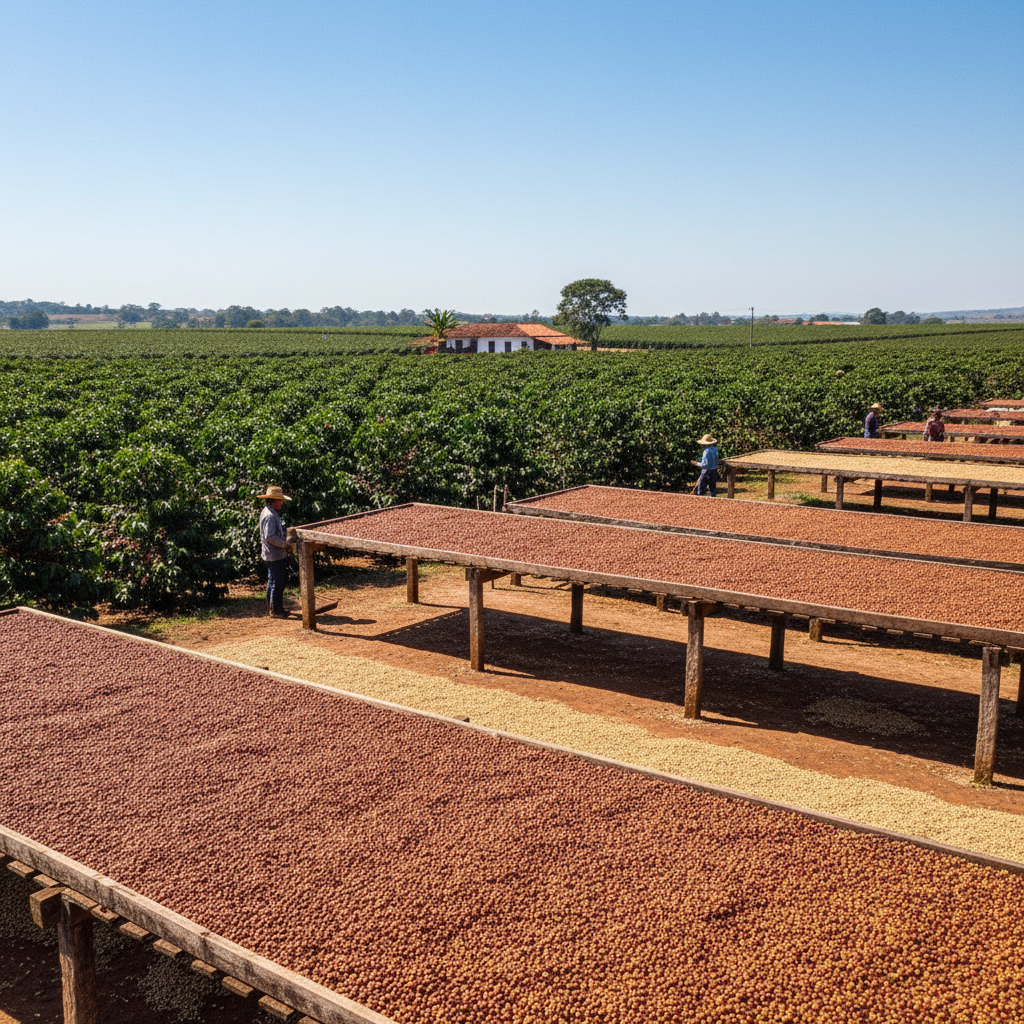
Brazil
800 – 1,200m · Chocolate, nuts, low acidity

The Gem
Guatemala
1,300 – 2,000m · Spice, chocolate, dried fruit, smoke
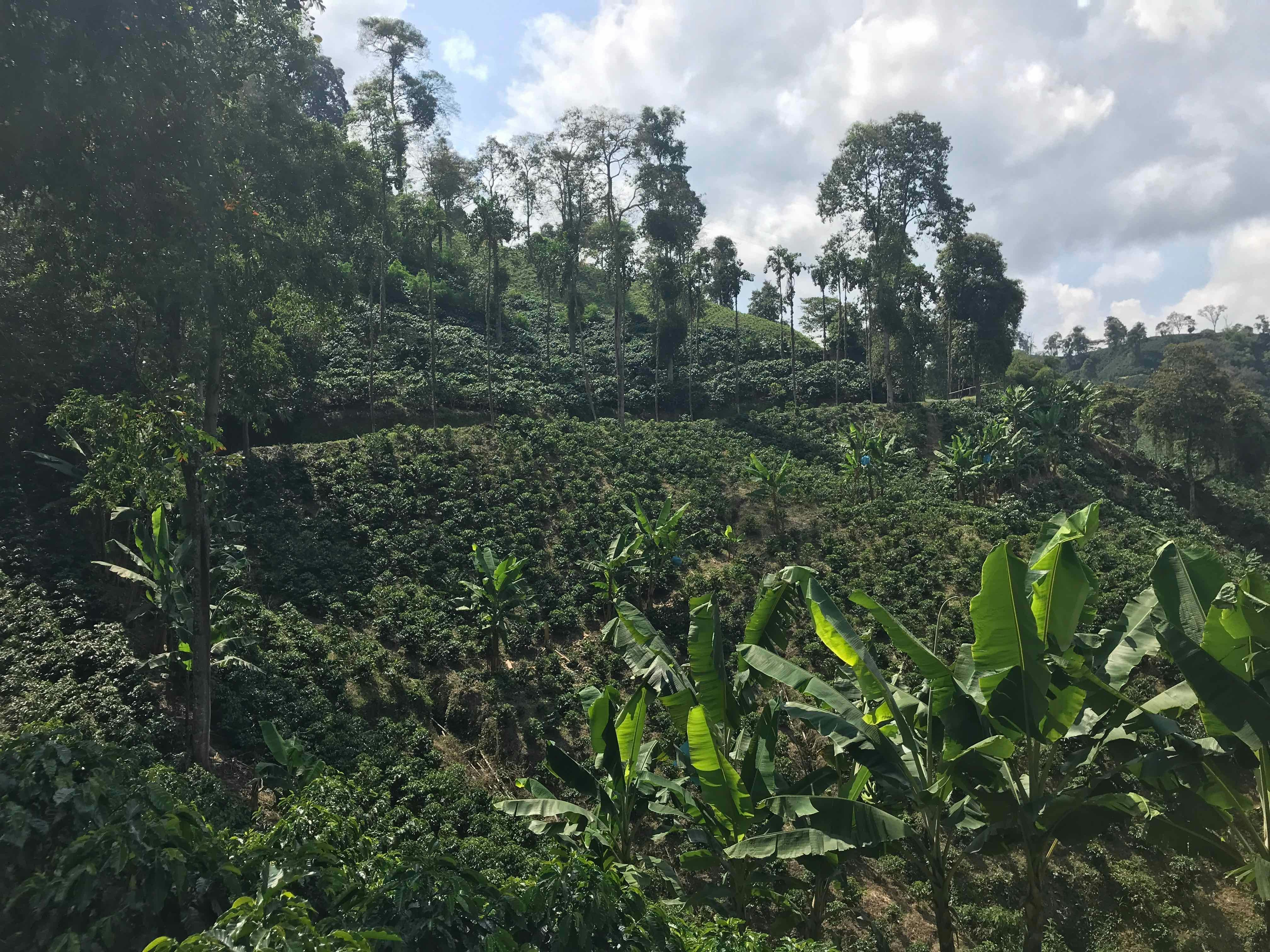
The Exotic
Indonesia
700 – 1,500m · Earthy, herbal, full body, low acidity
The Roast
Spectrum
Roasting transforms green beans through heat — the Maillard reaction developing hundreds of flavor compounds in minutes.
Light Roast
The bean's origin flavors shine brightest here. High acidity, delicate floral and fruit notes, light body. The Maillard reaction begins but caramelization is minimal.
Light
Body
High
Acidity
Delicate
Aroma
Medium Roast
The sweet spot for many specialty drinkers. Balanced acidity and body, with caramel sweetness emerging. Origin character remains alongside roast development.
Medium
Body
Balanced
Acidity
Sweet
Aroma
Dark Roast
Roast character dominates. Low acidity, full body, bitter-sweet chocolate and smoky notes. Oils migrate to the bean surface. Caffeine content slightly lower.
Full
Body
Low
Acidity
Bold
Aroma